
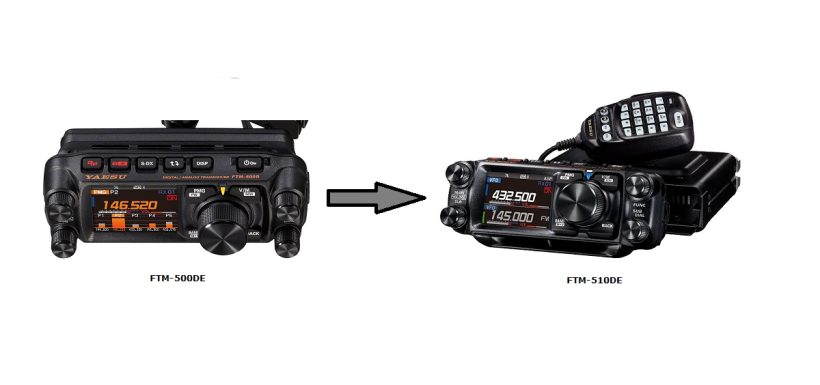
In this blog, we'll dive deep into the exciting upgrades and features of the Yaesu FTM-510, comparing it to its predecessor, the FTM-500. From enhanced audio processing to new memory features, discover how these advancements can elevate your ham radio experience.
Introduction to the FTM Series
The FTM series has long been a staple in the world of amateur radio, known for its reliability and innovative features. The latest addition, the FTM-510, builds upon this legacy, offering enhancements that cater to both seasoned operators and newcomers alike. With its robust design and user-friendly interface, the FTM series continues to evolve, ensuring that it meets the diverse needs of the ham radio community. Let's delve into what makes the FTM-510 a worthy successor to the FTM-500.
- Unveiling the New ‘M-GRP’ Feature -
One of the standout additions in the FTM-510 is the innovative 'M-GRP' feature. This enhancement allows users to create a personalised group of favourite frequencies, making it easier to switch between channels without fiddling with the settings. Imagine cruising along the motorway, effortlessly monitoring your preferred simplex or repeater frequencies. This functionality transforms how operators interact with their radios, providing a seamless experience while on the move.
Setting up your M-GRP is straightforward. Simply save the frequencies you use most frequently, and with the press of a button, you can cycle through them. This is particularly useful for those who frequently travel or operate in different areas, ensuring that you stay connected wherever you go.
- Understanding the Super-DX & ASP Button -
The FTM-510 introduces the Super-DX (SDX) button, a powerful tool that enhances signal reception. By adjusting the radio's sensitivity, it allows operators to pick up weaker signals that may have been missed in previous models. This feature is particularly beneficial in crowded bands where interference can mask important communications.
Moreover, the Adaptive Signal Processing (ASP) functionality takes audio clarity to the next level. When activated, ASP significantly improves the sound quality, making conversations clearer and more intelligible. Whether you’re in a noisy environment or trying to decipher a faint signal, the ASP ensures that you get the best possible audio experience.
The SDX and ASP buttons can be toggled to suit your needs. For instance, if you're receiving a strong signal, you might prefer to turn off the ASP to avoid over-processing the audio. Conversely, in challenging conditions, activating both features can dramatically enhance your listening experience.
- Exploring PMG Mode Enhancements -
The PMG (Personal Memory Group) mode has been significantly upgraded in the FTM-510. Users can now dual-receive multiple PMG frequencies simultaneously, allowing for more efficient monitoring. This means you can keep track of several channels at once, ensuring you never miss an important call or announcement.
When in PMG mode, the FTM-510 flashes indicators for active channels, making it easy to see which frequencies are currently in use. This visual feedback helps operators stay on top of multiple conversations, enhancing situational awareness and communication efficiency.
Additionally, the ability to switch between manual and auto modes provides flexibility. Users can choose to manually tune into specific frequencies or let the radio automatically monitor all programmed PMG channels. This adaptability is a game changer for operators who require dynamic and responsive communication capabilities.
- Reasons Behind the Upgrade -
So, what prompted the upgrade from the FTM-500 to the FTM-510? Feedback from the ham radio community played a pivotal role. Many operators expressed a desire for enhanced audio processing and improved signal reception. Yaesu listened, and the result is a radio that not only meets but exceeds these expectations.
The advancements in technology, such as the incorporation of the ASP, are responses to the demands for clearer audio in challenging conditions. Furthermore, the introduction of features like M-GRP and dual-receive PMG reflects a commitment to making the user experience as seamless as possible.
Yaesu’s dedication to innovation and user satisfaction is evident in the design of the FTM-510. The enhancements are not merely superficial; they address real-world challenges faced by operators daily. This upgrade is a testament to Yaesu's understanding of the hobbyist's needs and their commitment to providing cutting-edge technology in amateur radio.

Image: FTM-510DE
Firmware Upgrades for the FTM-500
The FTM-500 has remained a reliable choice for many operators, and the good news is that firmware upgrades are available to enhance its functionality. Yaesu has ensured that existing users can benefit from some of the new features introduced in the FTM-510.
To access these upgrades, users can follow a straightforward process. Connect your FTM-500 to a computer and download the latest firmware from the Yaesu website. The installation is user-friendly, with clear instructions provided. This means you can enjoy features like dual-receive PMG and even the M-GRP functionality without needing to purchase the latest model.
It's essential to regularly check for updates, as Yaesu continuously works on improving their products based on user feedback. These updates not only enhance performance but also fix any potential issues that may arise, ensuring your FTM-500 remains a top-notch radio.
Live ASP Demo: Real-World Applications
One of the most exciting features of the FTM-510 is the Adaptive Signal Processing (ASP). To truly appreciate its capabilities, let’s look at some real-world applications.
Imagine you're in a bustling urban environment, surrounded by numerous signals and noise. With the ASP activated, the clarity of incoming signals improves dramatically. This functionality allows operators to communicate effectively even in challenging conditions, filtering out background noise while enhancing the desired audio.
During a recent demonstration, operators tested the ASP in various scenarios. In one instance, a weak signal became noticeably clearer, allowing for easier communication. The ASP effectively reduced unwanted noise, making conversations more intelligible.
Moreover, operators noted how switching between ASP on and off helped them manage strong signals. In cases where the signal was robust, turning off the ASP prevented over-processing, maintaining natural audio quality. This adaptability makes the FTM-510 a versatile tool for both casual and serious operators alike.
Summary of Key Features
The FTM-510 is packed with features that cater to a diverse range of users. Here’s a quick summary of what sets it apart:
- M-GRP Functionality: Create personalised groups of favourite frequencies for quick access.
- Adaptive Signal Processing (ASP): Enhances audio clarity by filtering out background noise.
- Dual-Receive PMG: Monitor two PMG frequencies simultaneously for efficient communication.
- SDX Button: Adjusts sensitivity to pick up weaker signals, improving reception in crowded bands.
- Firmware Compatibility: Existing FTM-500 users can upgrade to access some new features.
Comparative Analysis: FTM-510 vs FTM-500
While the FTM-500 has been a trusted companion for many, the FTM-510 introduces several enhancements that significantly improve user experience. Let’s compare the two models:
- Audio Processing -
The FTM-510’s ASP technology is a game changer. It provides clearer audio in noisy environments, a feature that the FTM-500 lacks. Users have reported a noticeable difference in communication clarity when using the ASP.
- Frequency Management -
The M-GRP feature allows for more efficient frequency management in the FTM-510. Users can easily save and access their favourite frequencies, streamlining operations, especially during mobile use.
- Dual-Receive Capability -
The ability to dual-receive on PMG channels in the FTM-510 is a significant upgrade. This feature allows operators to stay connected across multiple channels, enhancing situational awareness.
- Design and Usability -
While both models share a similar design, the FTM-510 includes enhanced button functionality, such as the SDX. This button allows for quick adjustments in sensitivity, making it easier to pick up signals in various conditions.
Conclusion
In summary, while the FTM-500 is a solid radio, the FTM-510 offers advancements that make it a more attractive option for both new and seasoned users. The improvements in audio clarity, frequency management, and dual-receive capabilities truly elevate the user experience.
User Experiences and Feedback
User feedback has been overwhelmingly positive regarding the FTM-510. Operators appreciate the enhancements and how they address common challenges faced in amateur radio communication.
Many have highlighted the improved audio quality provided by the ASP. Users report that conversations are clearer, even in noisy environments, which has allowed for more effective communication during critical moments.
The M-GRP functionality has also received praise, especially from those who frequently operate while mobile. The convenience of having favourite frequencies readily accessible has streamlined operations, making it easier to stay connected on the go.
However, some users of the FTM-500 have expressed concerns about transitioning to the FTM-510. They appreciate the compatibility of firmware upgrades but are hesitant about making a full switch due to the cost. Yaesu's decision to maintain backward compatibility has been a reassuring factor for many, allowing them to enjoy some of the new features without the need for a complete upgrade.
Overall, the FTM-510 has made a significant impact within the amateur radio community. As more users share their experiences, it’s clear that Yaesu has successfully addressed the needs and desires of operators, solidifying their reputation for innovation and quality in the world of amateur radio.
For more information please visit our online store or alternatively contact us and our team will be happy to assist you!