
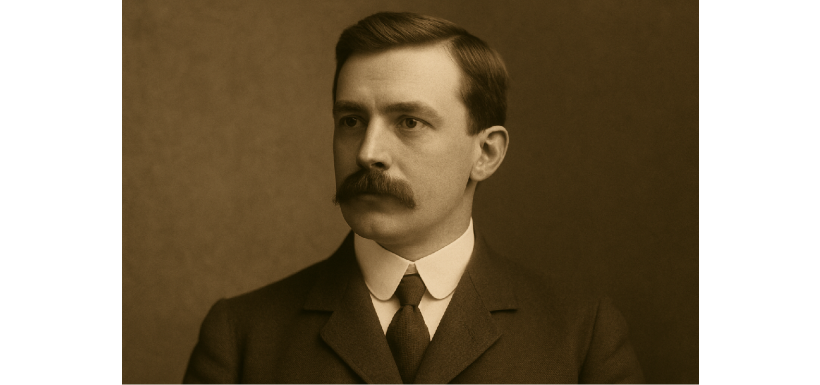
We often hear about the 'big bang' moments in radio history – Marconi's transatlantic signal, Hertz's discovery of electromagnetic waves. These are, without a doubt, monumental achievements. But what about the relentless, hands-on work of making those early, often temperamental, wireless contraptions actually work reliably? What about the engineers who toiled away, patenting improvement after improvement, making radio more efficient, more selective, and more practical? Today in our 'Pioneers of Radio' series, we're looking at one such individual: Harry Shoemaker, a prolific American inventor who was all about the practical improvements that pushed early radio forward. He might not have the instant name recognition of some, but his fingerprints are all over the early development of wireless technology.
Early Life and the Inventive Spark
Harry Shoemaker was born in Germantown, Philadelphia, Pennsylvania, in 1879. While detailed specifics of his early childhood are a bit like searching for a faint DX signal on a noisy band, it's clear he was bitten by the invention bug early on. He pursued an education in electrical engineering, arming himself with the technical knowledge that would underpin his future career. From the get-go, he wasn't just interested in theory; he was driven by a desire to solve practical problems, to make things work, and to make them work better. This hands-on, problem-solving mindset would become the hallmark of his career.
Navigating the Wild West of Early Wireless Companies
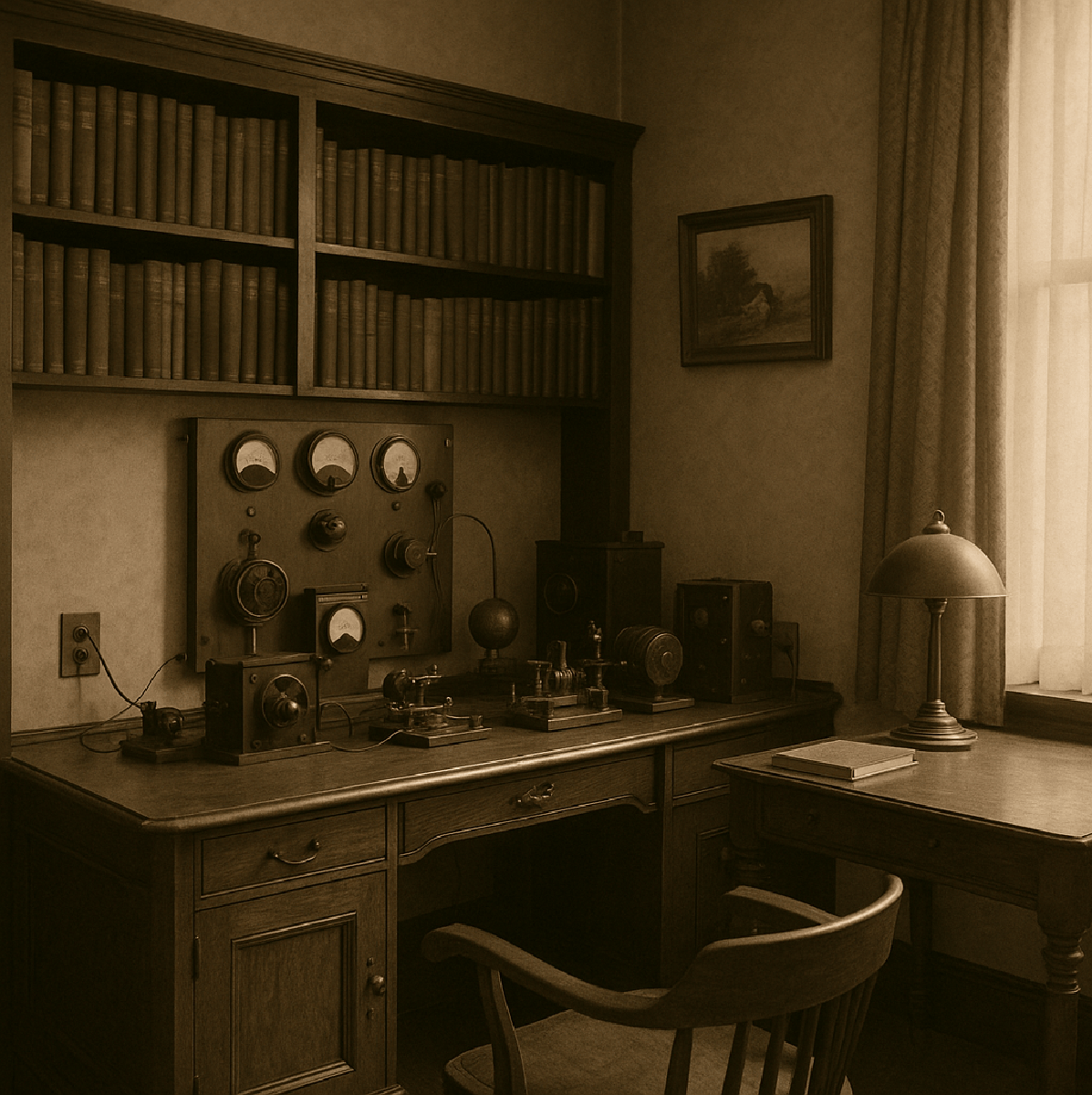
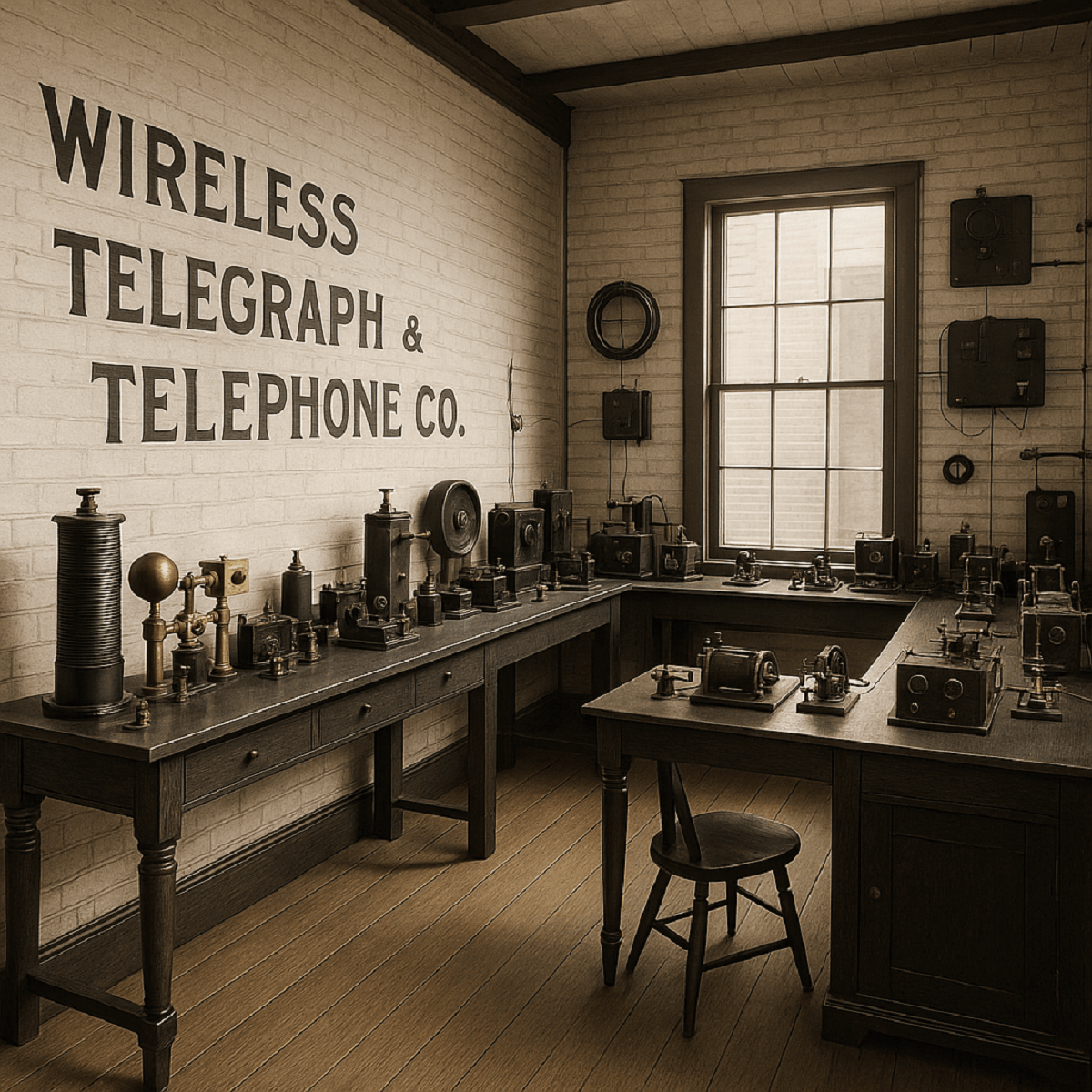
The early 1900s radio scene was, to put it mildly, a bit of a free-for-all. It was the Wild West of wireless – a flurry of small companies popping up, competing fiercely for patents and market share, making bold claims, and sometimes, disappearing just as quickly. The technology was evolving at a breakneck pace, and the legal landscape surrounding patents was a minefield. It must have been an exhilarating, if utterly chaotic, time to be an engineer in the field.
Harry Shoemaker, with his inventive mind and entrepreneurial spirit, dived right into this maelstrom. He was involved in forming or working for several early wireless companies. Tracing his exact path through this period can be a bit like trying to untangle a bird's nest of antenna wire, with similarly named companies and shifting alliances. He was associated with the American Wireless Telephone and Telegraph Company – a name that, confusingly, several different entities used around that time.
Crucially, he also spent a period working with or for companies associated with Lee de Forest, another major, and famously controversial, figure in early radio (whom we've covered previously). The exact nature of their collaboration is a bit hazy, as historical records from these small, often short-lived, ventures can be, but it's clear Shoemaker was in the thick of development, contributing his practical engineering skills. He later went on to establish his own ventures, like the Shoemaker Wireless Telephone and Telegraph Company and the Harry Shoemaker Company, and also served as chief engineer for the International Telegraph Construction Company. This wasn't a chap content to sit on the sidelines; he wanted to build, to innovate, and to get his technology out there. Operating in such a volatile and competitive environment must have required immense resilience and a sharp business acumen alongside technical prowess.
Key Contributions: Making Radio Work Better
Shoemaker's real genius, in my opinion, lay in his practical engineering skills and his focus on incremental, but vital, improvements. He wasn't necessarily chasing entirely new theoretical breakthroughs in the way that, say, Maxwell or Hertz were. Instead, he was taking the existing, often clunky, wireless apparatus and making it more reliable, more efficient, and more user-friendly.
- Transmitter Design:
- Receiver Design:
- Selective Tuning:
- Wave Meters:
- Portable Wireless Sets:
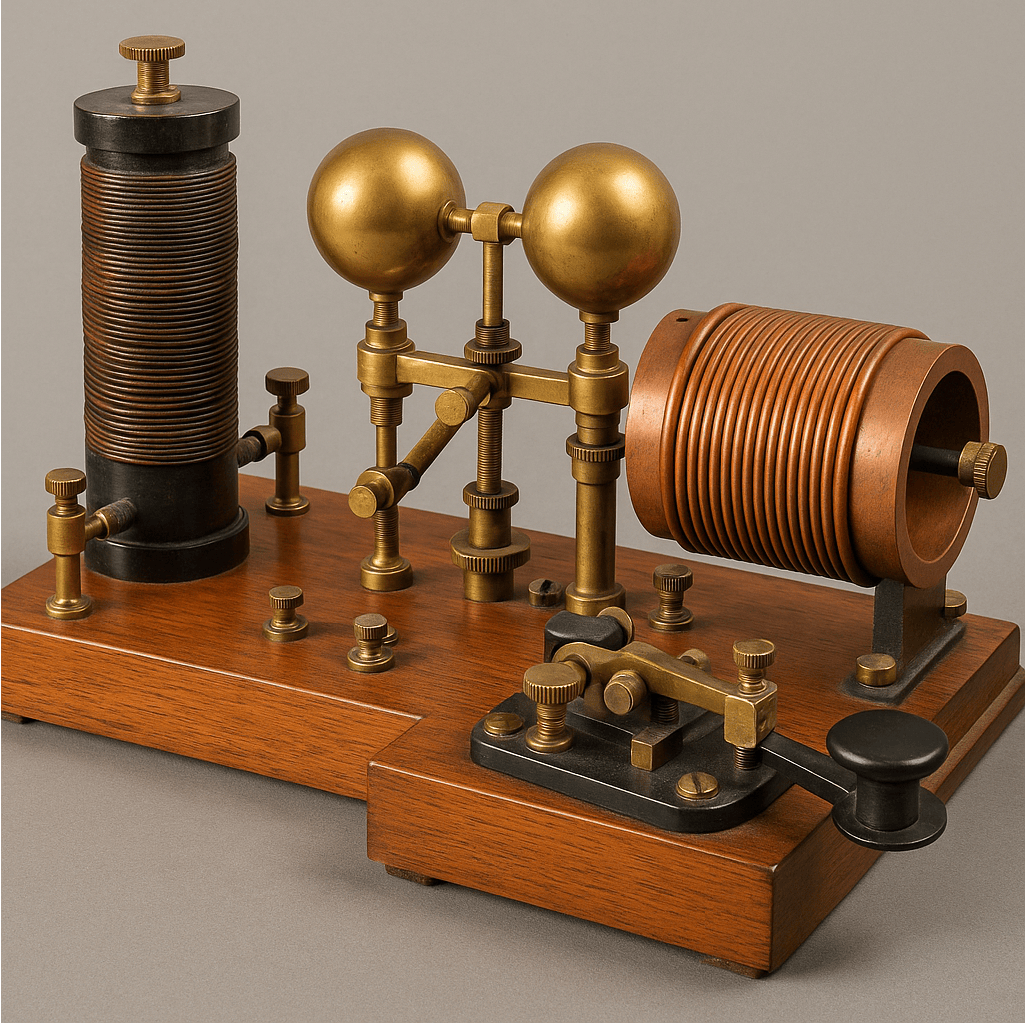
In the early days, the spark-gap transmitter was king. These devices created radio waves by generating a high-voltage spark across a gap. They were noisy, inefficient, and produced a broad signal that caused a lot of interference. Shoemaker dedicated considerable effort to improving them. He developed more efficient spark gaps, worked on better "quenching" techniques (to extinguish the spark quickly and produce a cleaner signal), and aimed for more stable output. There's even talk of him developing a "noiseless" spark gap – which, if you've ever heard an old spark transmitter, you'll know was a very worthy goal indeed! While the future lay with continuous wave transmitters like the Poulsen arc or vacuum tube oscillators, Shoemaker's work on refining spark-gap technology was crucial for the period in which it dominated.
On the receiving end, Shoemaker also made significant strides. Early receivers, often using coherers or basic crystal detectors, were a real challenge to operate.
This was a major area of focus for him. Imagine trying to listen to one station when dozens of others are bleeding through – it's a recipe for a headache! Shoemaker understood the critical importance of selective tuning for reducing interference and allowing users to pick out a specific signal. He developed and patented several innovative tuning systems, often involving carefully designed inductors and capacitors, to make receivers more discerning. His work helped move receivers from being simple detectors of any signal to devices that could actually pick out the desired signal. That, for me, is where the real magic of radio reception begins.
To tune transmitters and receivers accurately, you need to know what frequency you're on. Shoemaker contributed to the development and improvement of wave meters, essential pieces of test equipment for early radio engineers and operators. These devices allowed for the precise measurement of the frequency or wavelength of radio signals, bringing a much-needed element of precision to the art.
This is a particularly interesting, and perhaps less celebrated, aspect of Shoemaker's work. He was a pioneer in developing early portable wireless telegraph sets. In an era when wireless equipment was often bulky and confined to fixed stations or large ships, the idea of a portable set was quite revolutionary. These sets were of immense interest to military organisations, like the U.S. Signal Corps, for field communication. Shoemaker designed sets that were relatively compact (for the time!), rugged, and offered a practical communication range. This focus on portability and practical application really highlights his engineering mindset.
The Prolific Patent Holder
One of the most striking things about Harry Shoemaker is the sheer volume of his inventive output. He is credited with holding over 100 patents related to radio technology. That's an incredible number, and it speaks volumes about his constant drive to innovate and improve.
His patents covered a wide range of devices and systems, including:
- Tuning devices and systems for selective reception.
- Improvements to spark-gap transmitters.
- Complete wireless telegraph and telephone systems.
- Wave meters and other test equipment.
- Components for receivers and transmitters.
In that fiercely competitive early radio industry, patents were absolutely crucial. They weren't just about protecting an invention from being copied; they were about establishing credibility, attracting investment, and staking a claim in a rapidly evolving technological landscape. Shoemaker was clearly adept at navigating this patent-driven environment.
Relationship with Lee de Forest
As mentioned earlier, Shoemaker had a working relationship with Lee de Forest. Given de Forest's own complex and often controversial history, particularly regarding patents and collaborations, it's natural to wonder about the dynamics of their association. Was Shoemaker an employee, a collaborator who shared ideas, or perhaps even a competitor at times?
The historical record isn't always crystal clear on the precise details of these early business arrangements. However, it's evident that Shoemaker was a skilled engineer whose expertise would have been valuable to any wireless enterprise. It's likely there was an exchange of ideas, and Shoemaker may well have contributed his practical engineering skills to some of de Forest's projects. Equally, working in that environment would have exposed Shoemaker to the cutting edge of vacuum tube development, even if his own primary focus remained on spark-gap and other technologies for a time. Like many relationships in the pioneering days, it was probably a mix of collaboration, competition, and the shared excitement of working in a revolutionary new field.
Synergies with Ham Radio: The Practical Experimenter
Harry Shoemaker's approach to radio technology resonates deeply with the spirit of amateur radio. Hams are, by nature, experimenters, builders, and improvers. We're always looking for ways to get a bit more out of our equipment, to try a new antenna design, or to refine a circuit.
- Hands-On Engineering:
- Improving Performance:
- Early Equipment Lineage:
Shoemaker was the epitome of a hands-on engineer. He wasn't just theorising; he was building, testing, and patenting practical solutions. This "roll up your sleeves and get it done" attitude is pure ham radio.
His relentless focus on enhancing transmitter efficiency, receiver selectivity, and the portability of equipment aligns perfectly with the goals of countless amateur radio operators who strive to improve their station's performance and explore new operating possibilities.
The types of components and systems Shoemaker worked on – spark gaps, crystal sets (though his main focus was often pre-crystal), early tuning circuits, and wave meters – are all part of the historical lineage of ham radio gear. Understanding his work gives us a deeper appreciation for how far our technology has come, from those early, often cantankerous, rigs to the sophisticated transceivers we use today.
Legacy: A Quiet Contributor
Harry Shoemaker passed away in 1932. While his name might not be as instantly recognisable as Marconi, Hertz, or even de Forest, his impact on the practical development of early radio was significant. He was one of those essential engineers who took the foundational discoveries and turned them into workable, reliable technology.
He might be considered a "quiet contributor" because his work often involved incremental improvements and refinements rather than a single, headline-grabbing invention that captured the public imagination. Furthermore, the complex and often short-lived nature of the early wireless companies he was associated with can make tracing his individual contributions a bit like detective work.
Nevertheless, his numerous patents and the tangible improvements he brought to transmitters, receivers, and test equipment helped to make early radio systems more effective and paved the way for future advancements. He was a true pioneer, a nuts-and-bolts engineer whose diligent work was essential for the progress of wireless technology.
Conclusion: The Essential Builder
Harry Shoemaker's story reminds us that technological revolutions are built not just on grand visions and theoretical breakthroughs, but also on the patient, persistent work of practical engineers who roll up their sleeves and make things better. He was one of those essential builders, an inventor who saw a problem and dedicated himself to finding a workable solution, patenting his innovations along the way. He helped to tame the wildness of early wireless, making it more reliable, more selective, and more useful for a growing range of applications. While the limelight often shines on the "big idea" people, let's not forget the Harry Shoemakers of the world – the practical hands that turned those ideas into reality.
What are your thoughts on the role of practical engineers like Harry Shoemaker in the history of technology? Do you know of other "unsung heroes" who deserve more recognition? Let me know in the comments below! And, as always, if you have suggestions for other "Pioneers of Radio" that you'd like to see featured, don't hesitate to share.
For more information please visit our online store or alternatively contact us and we will be happy to assist you!