
Introduction
Imagine a world where every photograph, every visual record of life, is rendered in shades of gray. While we take the vibrant colours of our modern visual world for granted, the pioneers of photography faced the immense challenge of capturing the world in monochrome. In the late 19th and early 20th centuries, a period of remarkable scientific and technological advancement, a few brilliant minds dedicated themselves to unlocking the secrets of colour imaging. Among them was James E. Ives, an American physicist whose work in colour photography and photoelectricity, while not directly related to radio, illuminated the broader scientific landscape that gave rise to both moving pictures and the wireless transmission of sound. As we continue our "Pioneers of Radio" series, we'll explore Ives' life and work, demonstrating that the spirit of invention and the quest to understand the nature of light were integral to the era that birthed radio technology.
Early Life and Education
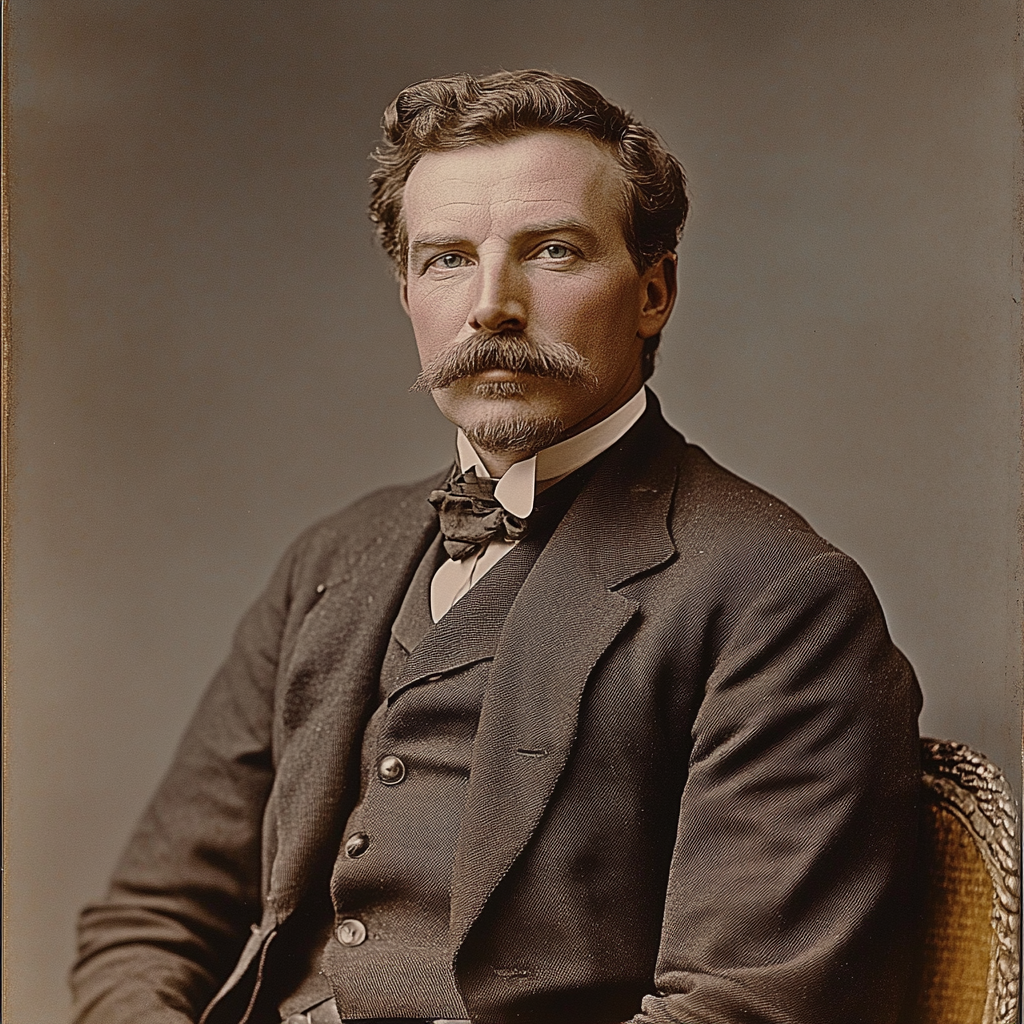
James Merritt Ives was born in New York City in 1864. Details about his early life and family background are somewhat scarce, but his passion for science led him to pursue a career in physics. He received his education at the University of Pennsylvania, and later studied in England and Germany, immersing himself in the burgeoning field of optics and the emerging science of photography, graduating in 1885. His early career saw him take on roles that reflected his interest in the practical application of scientific principles, particularly in the realm of printing and image reproduction. It was during this period that he began to focus on the challenges of colour photography, a field that would occupy him for much of his professional life. He was clearly a product of his time, where academic knowledge was quickly being turned into practical, life-altering inventions.
Contributions to Colour Photography
The quest to capture the world in colour was a formidable challenge for early photographers. The underlying principle of colour photography, understood since the mid-19th century thanks to the work of James Clerk Maxwell (a true pioneer of radio!), involved capturing and recombining images taken through red, green, and blue filters, based on the way the human eye perceives colour. However, practical implementation remained elusive.
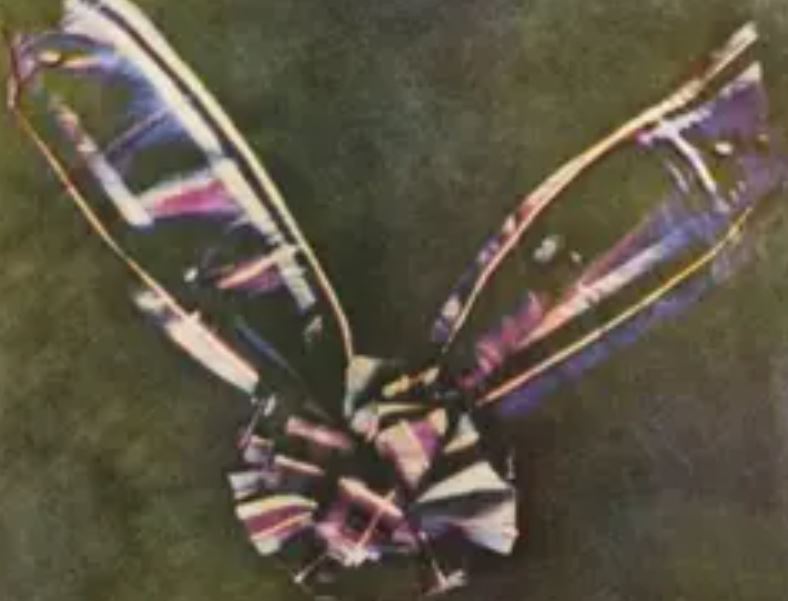
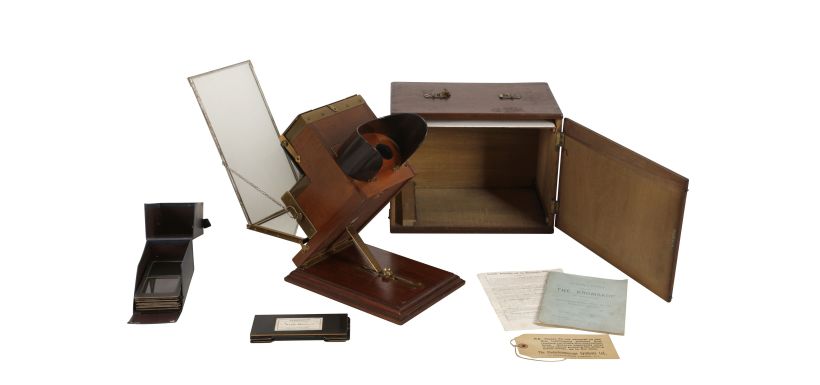
Ives made significant strides in this field. He dedicated himself to developing practical methods for creating and viewing colour photographs. His most notable invention was the photochromoscope, also known as the Kromskop. This ingenious device used a system of mirrors and coloured filters to recombine three separate black-and-white images, taken through red, green, and blue filters, into a single, full-colour image. While complex and somewhat cumbersome, the Kromskop was a marvel of its time, offering a glimpse into a world of colour that had previously been inaccessible through photography. ‘Impedance at Resonance (Ω)’
Ives didn't stop at the Kromskop. He also developed the parallax stereogram, a method for creating 3D images using a composite image made up of finely interlaced strips. When viewed through a special grid, the image appeared to have depth, offering a fascinating, if somewhat limited, form of three-dimensional viewing.
These inventions, while not commercially successful on a large scale, were significant milestones in the development of colour photography. They demonstrated the feasibility of creating realistic colour images and paved the way for later advancements in the field. The Kromskop, in particular, was exhibited widely and received accolades at international expositions, showcasing the potential of Ives' innovative approach. This work was part of a wider trend at the time, of pushing the boundaries of what was possible with visual media, laying some of the groundwork for later developments in television and other imaging technologies.
Work on Photoelectricity
Beyond his contributions to colour photography, Ives also conducted important research on the photoelectric effect. This phenomenon, where light can cause certain materials to emit electrons, was a hot topic in physics at the time. Albert Einstein's groundbreaking work on the photoelectric effect, for which he received the Nobel Prize, helped to establish the foundations of quantum theory.
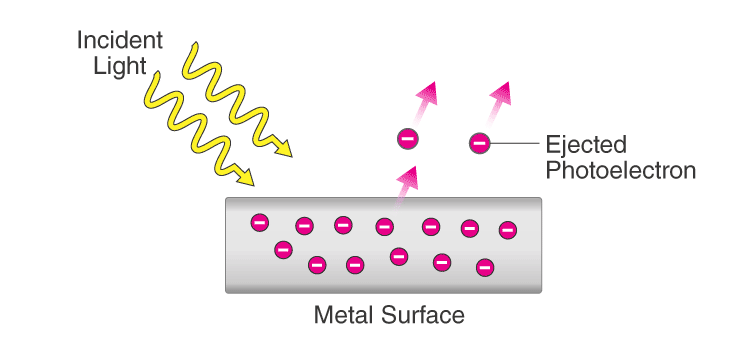
Ives' research focused on the practical aspects of photoelectricity. He experimented with different materials and developed instruments to measure the photoelectric effect more accurately. His findings contributed to a better understanding of this fundamental phenomenon, which would later prove crucial for the development of various electronic devices, including vacuum tubes.
It is here that we find a more direct, albeit still tangential, link to the development of radio. The study of photoelectricity was essential for the advancement of vacuum tube technology. Vacuum tubes, in their various forms, were the heart of early radio transmitters and receivers, enabling the amplification and detection of radio signals. While Ives didn't invent the vacuum tube, his research on photoelectricity contributed to the broader scientific understanding that made these devices possible. This is a clear indication of how different scientific fields can be related.
Legacy and Indirect Connections to Radio
James E. Ives may not be a household name like Marconi or Edison, but his contributions to colour photography and photoelectricity were significant. He is remembered as a pioneer in the field of colour imaging, and his inventions, particularly the Kromskop, were important steps in the evolution of photography.
It's important to view Ives' work within the context of the broader technological landscape of his time. The late 19th and early 20th centuries were a period of incredible innovation, with rapid advancements in electricity, magnetism, optics, and communication. The development of photography, the telephone, the phonograph, and radio were all interconnected, driven by a shared spirit of invention and a growing understanding of the electromagnetic spectrum. While radio waves and visible light occupy different parts of the spectrum, the scientific breakthroughs that illuminated one often shed light on the other.
Ives' research on photoelectricity, while not directly applied to radio, contributed to the foundation of knowledge that made radio possible. His work, along with that of many other scientists and inventors of the era, helped to create a technological ecosystem where innovations in one field could spark advancements in others. We can see the echoes of his dedication to visual accuracy and detail in later developments like television.
Conclusion
James E. Ives' story is a reminder that progress in science and technology is often a collaborative and interconnected effort. While he may not have been a "Pioneer of Radio" in the strictest sense, his contributions to colour photography and photoelectricity were part of the broader tapestry of innovation that characterized his era. His work exemplifies the spirit of invention and the quest to understand and harness the power of light, a quest that shared common ground with the pioneers who were simultaneously unlocking the secrets of radio waves. By exploring the contributions of individuals like Ives, we gain a richer appreciation for the complex and fascinating history of technological development.
For more information please visit our online store or contact us and our team will be happy to assist you!
What are your thoughts on James E. Ives and his contributions? Are there other lesser-known figures from this era that you think deserve recognition? Share your thoughts in the comments below!