
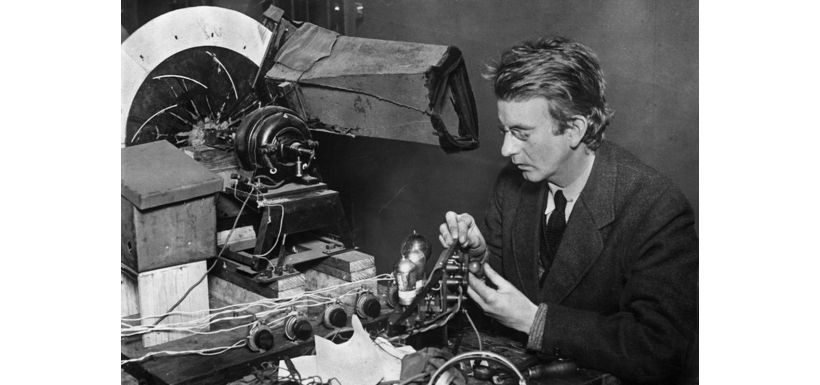
Before sleek LCD screens and 4K resolution, there was a time when television was a whirring, spinning, mechanical wonder. Gears, discs, and light-sensitive cells – these were the tools of the early television pioneers. It's hard to imagine in our digital age, but television, much like radio, went through a period of mechanical experimentation before becoming the electronic marvel we know today. In this instalment of our "Pioneers of Radio" series, we'll be turning our attention to John Logie Baird, a Scottish inventor who became synonymous with the dawn of mechanical television. Now, I know what you're thinking: "Television? What's that got to do with radio?" Well, as we'll see, the early days of both technologies were surprisingly intertwined, and Baird's relentless pursuit of transmitting moving images, while ultimately a different path than the one eventually taken, played a fascinating role in the broader story of electronic communication.
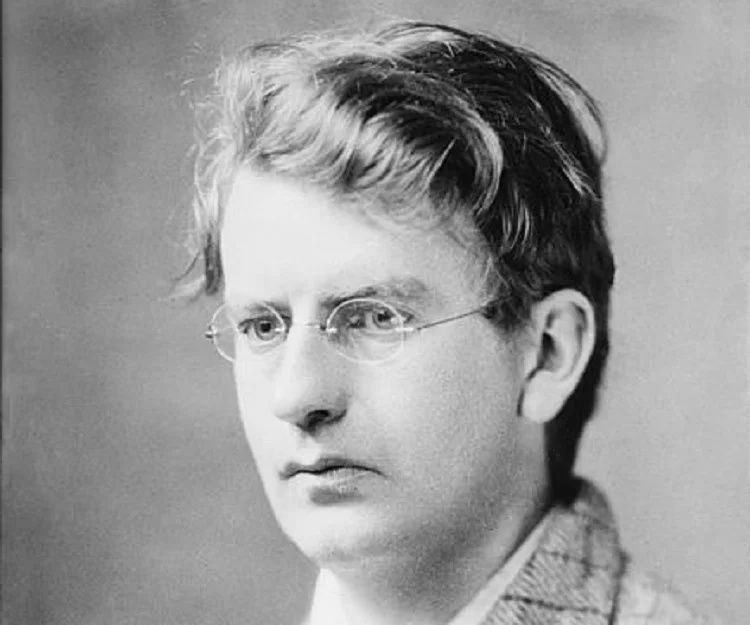
Early Life and Inventive Spirit: A Tinkerer from the Start
John Logie Baird was born in Helensburgh, Scotland, in 1888, a time when electricity was still relatively new and the airwaves were just beginning to be explored. Even as a young lad, Baird showed a remarkable aptitude for tinkering and inventing. He reportedly rigged up a telephone exchange to connect his room to those of his friends across the street, much to the likely bewilderment of his neighbours. He even tried to create diamonds by passing a large current through a carbon rod causing a massive power outage in the area. This wasn't just idle curiosity; it was the mark of a true inventor's spirit. He pursued his interest in engineering, studying at the Royal Technical College in Glasgow and later at the University of Glasgow.
But Baird's path wasn't always smooth sailing. He suffered from frequent illnesses, and his early business ventures were, shall we say, a mixed bag. Before he became obsessed with television, he developed and marketed a range of products. There were successes, like his thermal undersock for cold feet. There were also less successful endeavours, like a pneumatic insole for shoes. But through it all, that inventive spark never dimmed. It was just waiting for the right project to truly ignite it.
The Dawn of Mechanical Television: Gears, Discs, and a Dream
In the early 1920s, the dream of transmitting moving images was in the air. Scientists and inventors around the world were captivated by the idea of "seeing by wireless." While some were pursuing electronic methods, Baird became a champion of mechanical television. His system relied on a fascinating, if ultimately limited, technology: mechanical scanning.
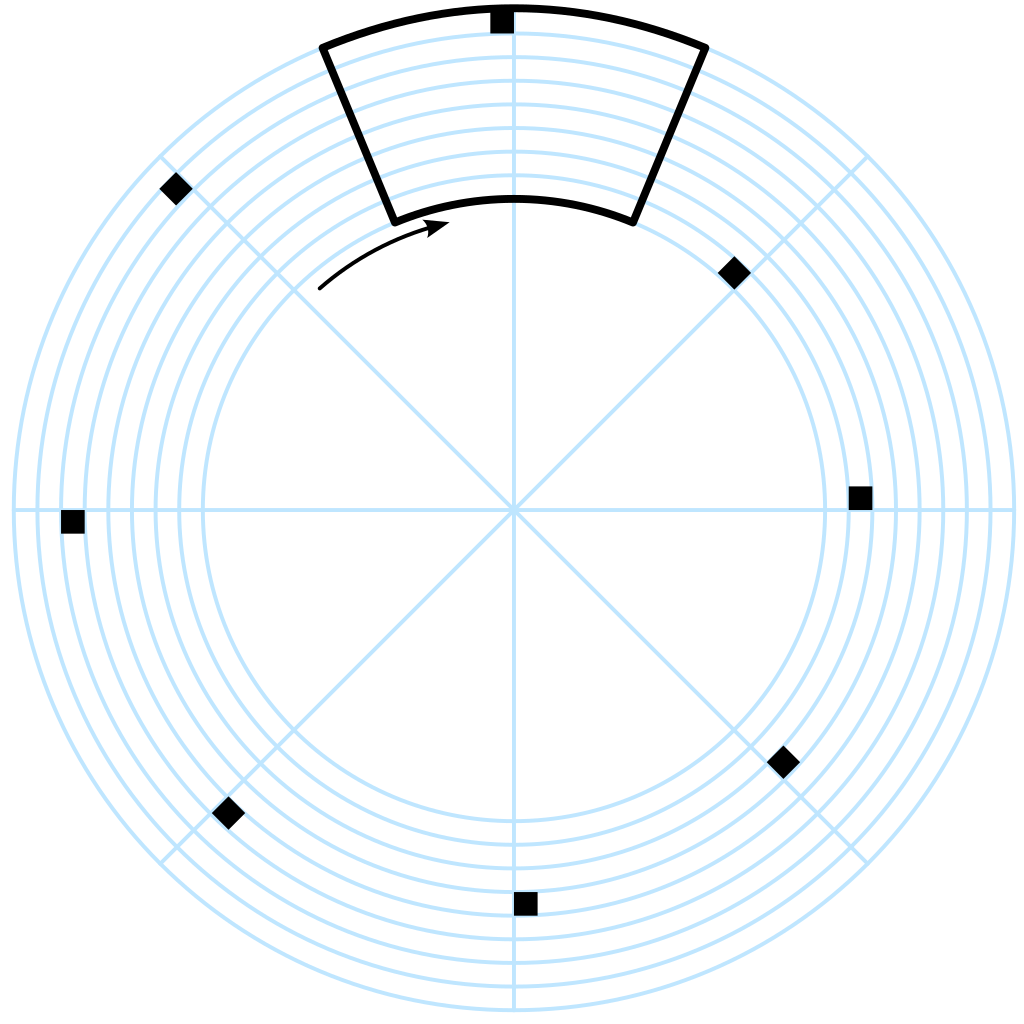
At the heart of Baird's system was the Nipkow disk, a rapidly spinning disk with a spiral pattern of holes. As the disk spun, the holes scanned an image line by line, converting the light and dark areas into a varying electrical signal. This signal was then transmitted, and at the receiving end, a similar Nipkow disk, synchronized with the first, reconstructed the image. It was ingenious, really. Imagine a record player, but instead of a needle tracing grooves, you have light passing through holes, creating an image instead of sound.
Baird's first successful experiments in 1924, transmitted the image of a Maltese cross over a distance of ten feet. He gradually refined his system, increasing the scanning speed and the number of lines to improve image quality, or at least what passed for image quality back then. We're talking about incredibly low resolution here, folks, barely more than silhouettes. But in 1925, Baird achieved a major breakthrough by transmitting the first recognisable image of a human face. Then, in 1926, he held a public demonstration at Selfridge's department store in London, wowing audiences with the first demonstration of true television - the transmission of moving images with gradations of light and shade.
In 1928, Baird achieved another milestone by transmitting images across the Atlantic Ocean to New York, using shortwave radio. This was no small feat at the time, demonstrating that even with its limitations, mechanical television could achieve some pretty impressive results. There was something magical about seeing these flickering, ghostly images emerge from a mechanical contraption. It was like science fiction come to life, and it captured the public's imagination.
The Rise of Electronic Television and Later Years: A Different Path Taken
But even as Baird was refining his mechanical system, a new challenger was emerging: electronic television. Inventors like Philo Farnsworth in the US and Vladimir Zworykin (who we covered earlier in this series) at RCA were developing systems based on cathode-ray tubes, which offered the potential for much higher resolution and flicker-free images. It was, to put it mildly, a David and Goliath situation, with Baird's mechanical system increasingly looking like the underdog.
To his credit, Baird didn't give up. He continued to improve his system, even developing some hybrid mechanical-electronic systems and experimenting with colour and 3D television. He pushed the limits of what was possible with mechanical scanning, achieving higher definition and even demonstrating large-screen television. But the writing was on the wall, so to speak.
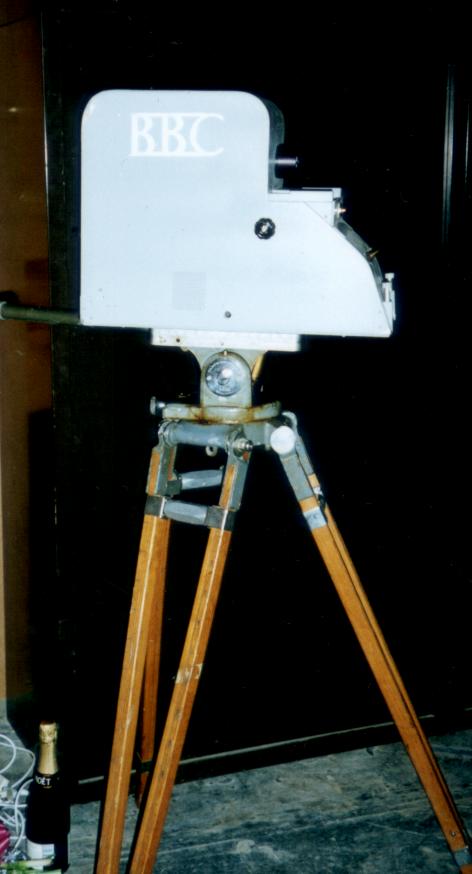
A mock-up of a 1930s EMI Emitron 405-line television camera, constructed for the 1986 BBC drama Fools on the Hill. Source - Wikipedia
In 1937, the BBC, after conducting trials of both systems, made a decision that effectively sealed the fate of mechanical television. They chose to adopt the Marconi-EMI electronic system, with its superior picture quality. It was a turning point, and while a blow to Baird, it marked the beginning of the television age as we know it.
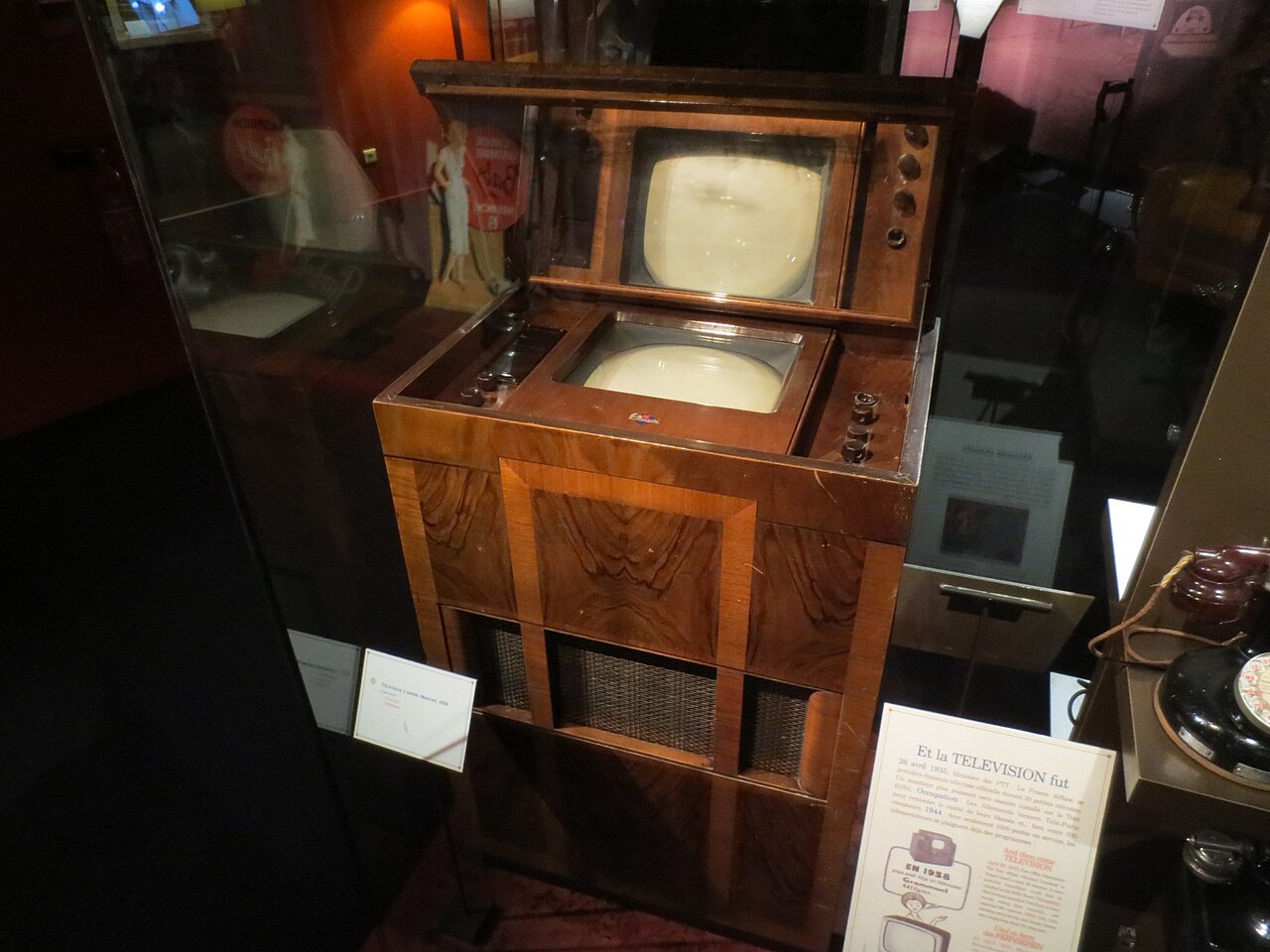
Marconi 405-line mirror TV set from 1936. Source - Wikipedia
Baird continued to work on various projects, including fibre optics and radio direction finding, until his death in 1946. While his mechanical television system ultimately lost out to the electronic revolution, his place in history is secure. He was the first to demonstrate true television, and his relentless pursuit of that dream paved the way for the future of the medium.
Connections to Radio Technology: More Than Just a Sideshow
Now, you might be wondering, what does all this have to do with radio? After all, this is the "Pioneers of Radio" series, not the "Pioneers of Mechanical Television." Fair point. But here's the thing: in the early days, the lines between radio and television were often blurred.
Baird's early television broadcasts actually used existing radio transmitters. In fact, his transatlantic television transmission in 1928 utilized shortwave radio frequencies. The signals carrying the image information were, in essence, modulated onto radio waves, just like sound was in a radio broadcast. Many of the early experimenters in television, including Baird, were also involved in radio development, and the two fields shared a lot of common ground. Both radio and television relied on the principles of electromagnetism, and both involved the transmission and reception of signals through the air.
Moreover, the development of both technologies spurred advancements in electronics generally. Vacuum tubes, amplifiers, and other components developed for radio found their way into early television sets, and vice versa. So, while Baird's system was mechanical, it still relied on and contributed to the growing body of knowledge about electronics and signal transmission that was also driving the advancement of radio.
Conclusion: A Visionary, Even in Defeat
John Logie Baird was a true visionary, a pioneer who dared to dream of transmitting moving images when the technology to do so barely existed. His mechanical television system, while ultimately surpassed by electronic systems, was a remarkable achievement for its time and a testament to his ingenuity and persistence. He may not have won the battle for television dominance, but he undoubtedly won the war of sparking the world's imagination about what was possible.
Baird's story is a reminder that technological progress is often a messy and unpredictable process. There are competing ideas, different approaches, and sometimes the path that ultimately triumphs isn't the one that seemed most obvious at the start. But even those paths not taken, like Baird's mechanical marvel, contribute to the overall journey. They inspire, they challenge, and they push the boundaries of what's possible. And in the grand tapestry of communication history, John Logie Baird's thread, though perhaps a bit more mechanical than others, is an undeniably important one.
What do you think of John Logie Baird's story? Does his mechanical television system seem like a quaint relic of the past, or a fascinating example of ingenuity in the face of technological limitations? Let me know your thoughts in the comments below! And, as always, if you have suggestions for other "Pioneers of Radio" that you'd like to see featured, don't hesitate to share.
For more information please visit our online store or alternatively contact us, our team will be happy to assist you!